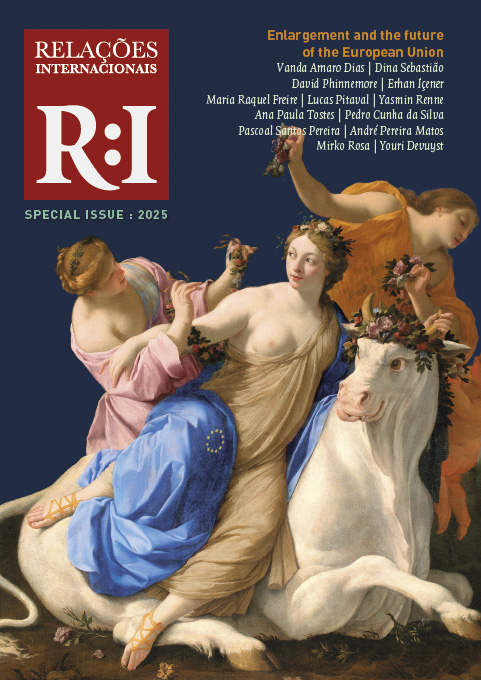
European Union enlargement
quo vadis?
Keywords:
enlargement, European Union, geopolitics, public opinionAbstract
The European Union has not enlarged for the longest period in its history since the first enlargement in 1973. In recent years, however, talk of ‘enlargement fatigue’ has been replaced by an emphasis on the geostrategic importance of enlargement, primarily in response to the Russian invasion of and war in Ukraine. This begs the question of whether at least some of the current nine candidates will accede to the Union in the foreseeable future. While the prospects for enlargement rely on candidates making meaningful progress in meeting the requirements to join the Union, they also require the European Union to agree to enlargement. We consider five key variables to assess the state of play with European Union enlargement: the Union commitment, Member State preferences, supranational activism, integration capacity, and public opinion.