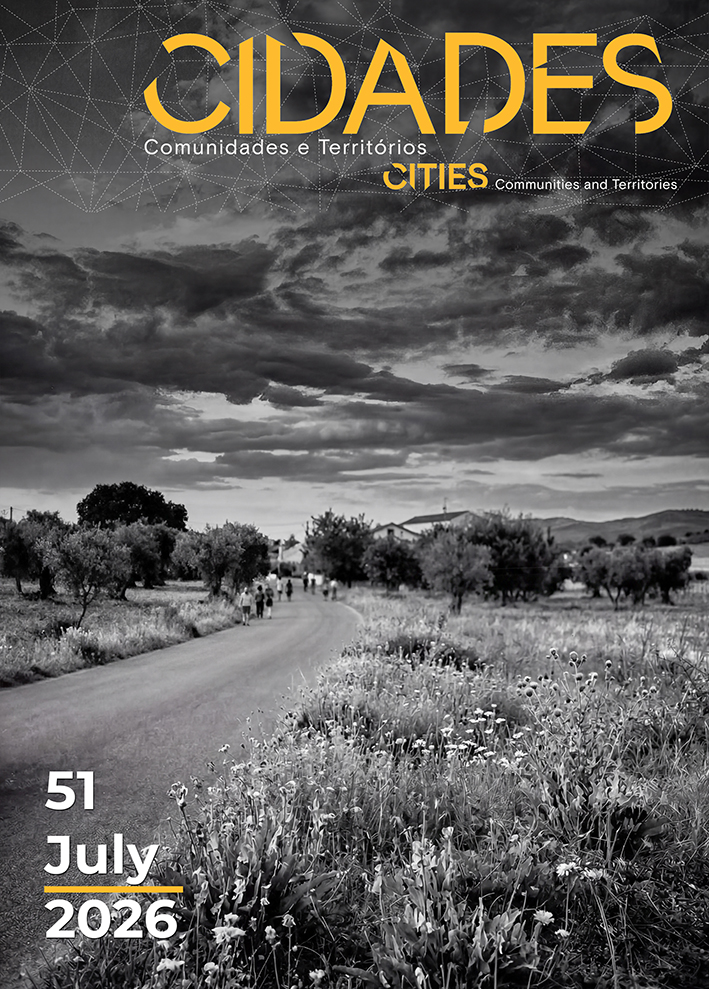
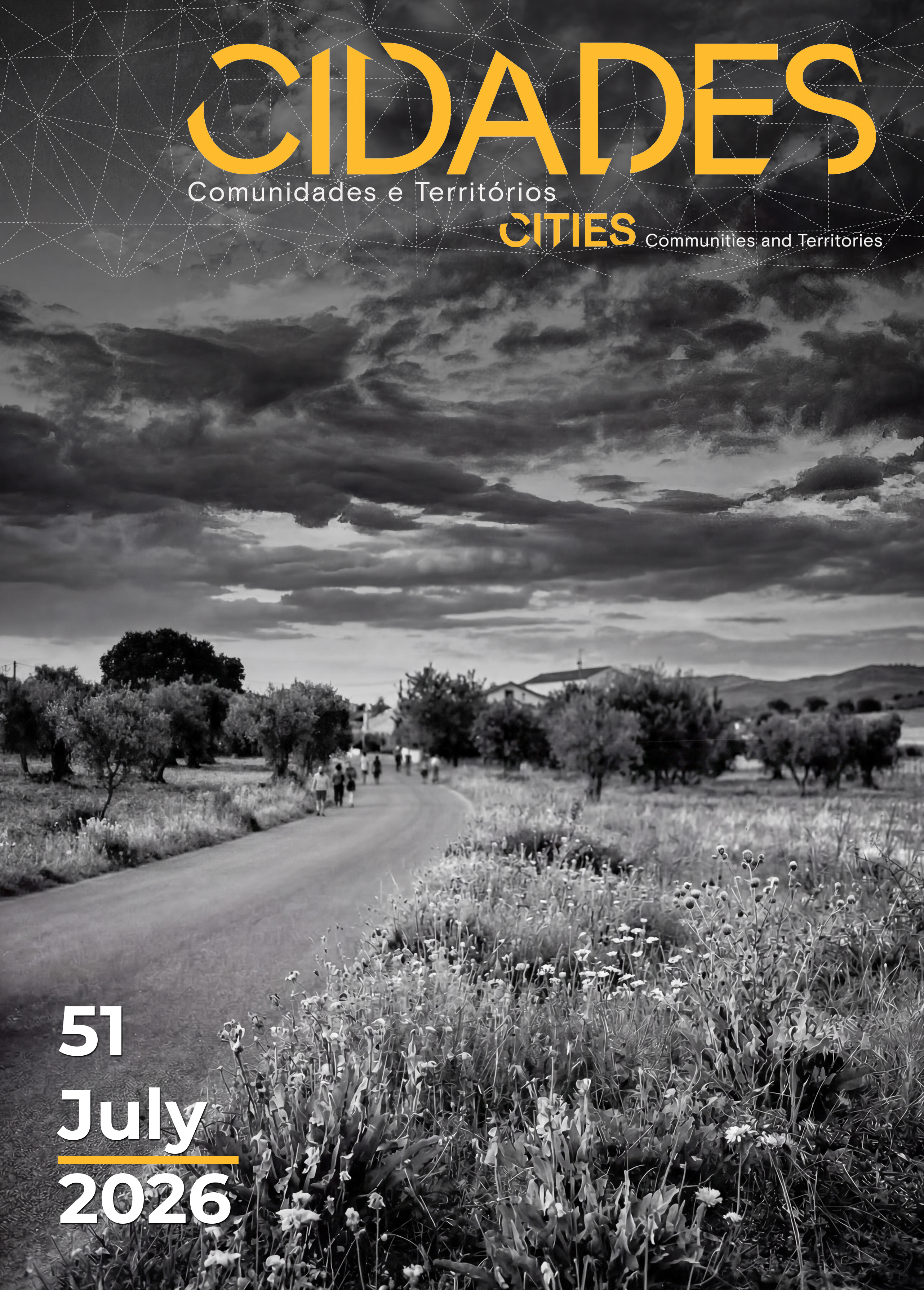
The Pedagogy of Walking
Learning from the City
Keywords:
Walking, Educating Cities, Philosophy, Learning, Urban SpaceAbstract
This essay, inspired by Frédéric Gros’s A Philosophy of Walking (2023), investigates how the act of walking can function as a philosophical, educational, and political practice within the urban context. From the standpoint of Educating Cities, the city is understood as an active educational space, extending beyond formal learning to encompass non-formal and informal dimensions. Thus, walking emerges as an act of resistance to the contemporary overemphasis on speed, inviting deceleration and a reflective stance toward one’s presence in urban environments. In this approach, walking encourages a heightened awareness of the social, cultural, and historical dynamics that shape the city, transforming streets and squares into a “living classroom.” Sensory engagement and the exploration of seemingly ordinary details foster critical consciousness regarding issues such as inequality, accessibility, and urban planning. Therefore, walking not only broadens our perception of place but also strengthens community bonds and enhances the sense of belonging. Moreover, the practice of walking offers a release from material and symbolic excesses, aligning with a vision of freedom and personal transformation that ultimately affects the collective. Pedagogical projects based on reflective walks can reorient one’s urban experience, further promoting empathy and inclusion. Consequently, this essay concludes that walking is not merely physical displacement but constitutes a “pedagogy of everyday life,” capable of reshaping the relationship between individuals, the city, and society, thus opening pathways toward a more equitable, participatory, sustainable, and humane coexistence.
References
Alvarenga, A. C. J. R., & Pereira, R. K., & Quaresma, C. C. (2023). Cidades educadoras: uma revisão sistemática de literatura. Revista Dialogia, 45, 1-19. https://doi.org/10.5585/45.2023.24668.
Alves, A. R., & Lopes, L. F., & Lazzarotto, E. P. S. (2023). Oportunidades formativas e práxis na cidade educadora: a cidade como proposta curricular. Revista Dialogia, 45, 1-20. https://doi.org/10.5585/45.2023.24072.
Bacila, M. S. (2021) Cidades Educadoras: um estado da arte entre 1990 e 2020 e a relação com a educação formal. Revista Intersaberes, 16 (39), 1034-1048. https://doi.org/10.22169/revint.v16i39.2207.
Dewey, J. (2023) Experiência e educação. Petrópolis: Vozes.
Faure, E., et al. (1973). Aprender a ser: la educación del futuro. Madrid: Alianza Editorial. https://unesdoc.unesco.org/ark:/48223/pf0000132984.
Fortuna, C. (2018a). Caminhadas urbanas, com-vivências inesperadas. E-Cadernos CES, 29, 37-56. https://journals.openedition.org/eces/3114.
Fortuna, C. (2018b). Caminhar urbano e vivências imprevistas. Revista Brasileira de Sociologia, 6(13), 136-154. https://rbs.sbsociologia.com.br/rbs/article/view/393.
Freire, P. (1996). Pedagogia da autonomia: saberes necessários à prática educativa. São Paulo: Paz e Terra.
Gomes, M. (2018). A evolução da cidade e a transformação da prática e do significado do caminhar. Revista de Geografia e Ordenamento do Território, 13, 203-221. https://scielo.pt/pdf/got/n13/n13a10.pdf.
Gros, F. (2023). Caminhar: uma filosofia. São Paulo: Ubu Editora.
Tascheto, M. (2024) “Uma cidade educadora é radicalmente democrática”. Reportagem de Nataly Simões. Educação e Território, 8 de agosto de 2024. https://educacaoeterritorio.org.br/reportagens/marcio-tascheto-uma-cidade-educadora-e-radicalmente-democratica/.
Downloads
Published
Issue
Section
License
Copyright (c) 2026 Diego Carlos Zanella

This work is licensed under a Creative Commons Attribution 4.0 International License.
CIDADES, Comunidades e Territórios by DINÂMIA'CET-Iscte is licensed under a CC-BY licence.