
Disinformation, pandemic and social networks: constitutional challenges
Keywords:
Disinformation; Pandemic; Freedom of Speech; Social Networks; Digital CommunicationAbstract
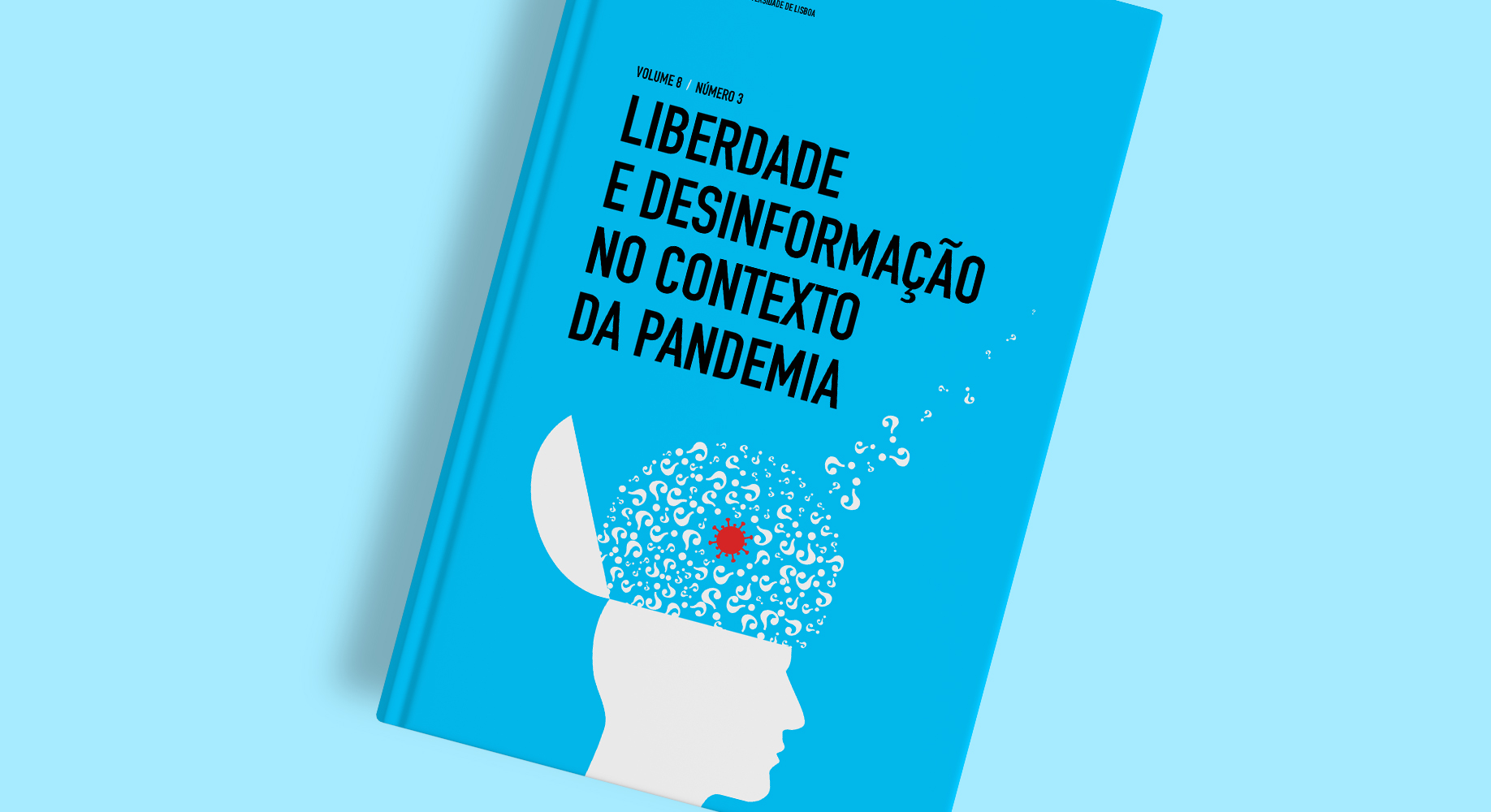
The inoculated origin of the disease; false miraculous remedies; supposed preconceptions on the use of masks; adverse effects of vaccination. These are just some examples of false content which, disguised under the appearance of reliable information, we received, read, and shared with friends or acquaintances since the beginning of the pandemic. And the phenomenon of disinformation during the time of Covid–along with a serious rise in the use of social–networks became a problem of global dimensions with repercussions which are at the centre of new legal challenges. It can be safely said that disinformation has acquired a new dimension: it is now capable of affecting collective legal rights, such as health, safety and the normal functioning of institutions. The aim of this article is to address the scope of the regulatory changes that are approaching, within the scope of the EU, taking into consideration the long-awaited proposal of the Digital Service Act, based on the essential diagnostic and descriptive analysis of the context, as well as the main risks arising from the new communicative paradigm.
Downloads
Published
Issue
Section
License
Copyright (c) 2026 e-Publica - Public Law Journal

This work is licensed under a Creative Commons Attribution 4.0 International License.


