Ferramentas de IA Generativa na Educação: Um Estudo Qualitativo com Estudantes de doutoramento sobre Práticas, Ética e Impacto Académico
DOI:
https://doi.org/10.34627/redvol8iss2e202514Palavras-chave:
Ensino Superior, Inteligência Artificial (IA), Literacia em IA, Ética na IAResumo
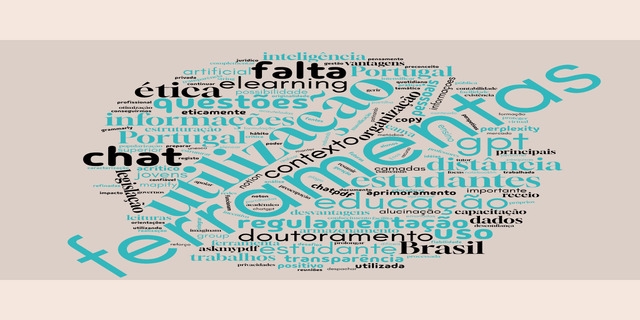
O presente artigo tem por objetivo explorar o uso de ferramentas de Inteligência Artificial (IA) por estudantes do doutoramento, focando em como estas ferramentas são usadas, os seus benefícios e desafios. A investigação, de natureza qualitativa, adotou uma abordagem de estudo de caso, utilizando o grupo focal para a recolha de dados. Inicialmente, apresenta-se o enquadramento teórico que sustenta as questões de investigação: de que modo é que os estudantes do Ensino Superior utilizam as ferramentas de Inteligência Artificial generativa? E quais são as suas percepções acerca da sua utilização em contexto académico? Em seguida a metodologia, onde são apresentadas e justificadas as estratégias e técnicas selecionadas para investigar o problema, descrevendo a sua aplicação. Posteriormente, os resultados da aplicação das técnicas de recolha de dados são apresentados. Por fim, surgem as conclusões, que sistematizam as descobertas realizadas e apontam as limitações do estudo, destacando possíveis futuras investigações de interesse resultantes de lacunas existentes e detetadas. Os estudantes reconhecem que as ferramentas de IA aumentam a produtividade e otimizam o tempo de estudo, mas expressam preocupações éticas, como o plágio e a dependência. Há uma perceção generalizada da necessidade de maior regulamentação e literacia em IA, para garantir o uso ético e eficaz destas tecnologias no contexto académico. A formação em IA é vista como fundamental para maximizar os benefícios e mitigar os riscos associados ao uso destas ferramentas.
Downloads
Publicado
Como Citar
Edição
Secção
Licença
Direitos de Autor (c) 2025 Franciene Aparecida Silveira, Eliana Lopes, Irene Antunes Carrilho, Teresa Oliveira Ramos, Sávio Resende Guadelupe

Este trabalho encontra-se publicado com a Creative Commons Atribuição-NãoComercial 4.0.
Os autores conservam os direitos de autor pelo seu trabalho e concedem à revista o direito de primeira publicação, com o trabalho simultaneamente licenciado sob uma Licença Creative Commons - Atribuição-NãoComercial 4.0 Internacional.
