
O Gênero infográfico no processo de ensino do português escrito para surdos
DOI:
https://doi.org/10.34627/redvol8iss3e202516Palavras-chave:
Infográfico; Ensino de Português Escrito; SurdosResumo
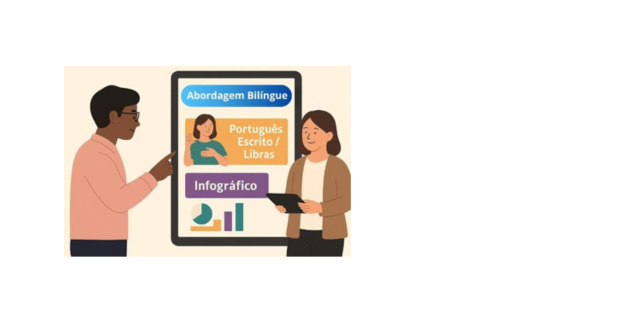
Este estudo investiga como o uso de infográficos pode ser integrado a uma abordagem bilíngue no ensino de português escrito para surdos, visando superar desafios pedagógicos por meio de recursos visuais que respeitem a identidade e a cognição dos alunos surdos. Utiliza-se como referencial teórico Faria-Nascimento (2021, 2024), Campos (2014), Skliar (2009) e Campello (2008) considerando o estudo sobre pedagogia visual e multimodalidade na educação de surdos. O método empregado é documental e qualitativo, com análise interpretativa de infográficos como material didático. Utilizou um infográfico sobre queimadas no Centro-Oeste, criado no Canva, com QR Code em Libras. O procedimento incluiu leitura visual, diálogos e uso de recursos visuais com três estudantes surdos sinalizantes do sétimo ano. Os resultados evidenciam que o uso de infográficos no ensino de português para surdos facilita a compreensão de conteúdos, promove engajamento, memorização e autonomia. Destaque para a integração da Libras por QR Code, a contextualização com temas reais, o estímulo à alfabetização visual, a valorização do protagonismo estudantil e a necessidade de formação docente e materiais bilíngues adequados.
Downloads
Publicado
Como Citar
Edição
Secção
Licença
Direitos de Autor (c) 2025 Alba Valéria Rodrigues Araújo Freire, Inácio Antônio Athayde Oliveira, Carlos Alberto de Sousa , Cícera A. Lima Malheiro

Este trabalho encontra-se publicado com a Creative Commons Atribuição-NãoComercial 4.0.
Os autores conservam os direitos de autor pelo seu trabalho e concedem à revista o direito de primeira publicação, com o trabalho simultaneamente licenciado sob uma Licença Creative Commons - Atribuição-NãoComercial 4.0 Internacional.
