
Vintage car: Uma reflexão teórica sobre o desenvolvimento de um protótipo em realidade virtual para resgate histórico-cultural na cidade de Belém
DOI:
https://doi.org/10.34627/redvol8iss1e202509Palabras clave:
Realidade Virtual, História, Cidade, Educação, Resgate CulturalResumen
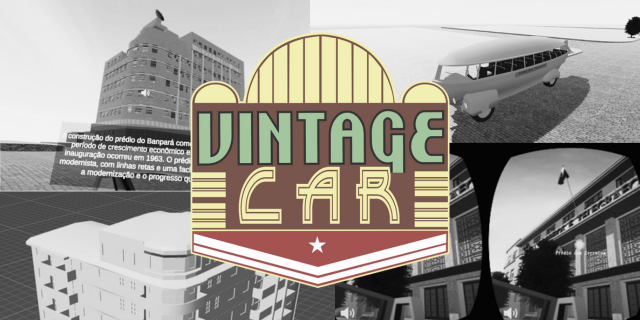
Este artigo apresenta uma reflexão sobre o desenvolvimento de um protótipo de realidade virtual (RV) que recria a parte da cidade de Belém dos anos 1950, visando a educação e preservação do patrimônio cultural local. Motivado pelas transformações urbanas que ameaçam a memória histórica, o projeto utiliza design centrado no usuário, modelagem 3D e testes de usabilidade para criar uma experiência imersiva e educativa. A metodologia inclui revisão sistemática da literatura, pesquisa exploratória, bibliográfica e de campo, além de estudo de caso para garantir a fidelidade histórica e funcionalidade do protótipo. O estudo propõe que a RV pode aumentar o engajamento e aprendizagem sobre o patrimônio cultural, oferecendo uma interface intuitiva e acessível, validada por usuários reais. Referências a jogos e simulações históricas reforçam a base teórica e metodológica do projeto, que busca ser um modelo replicável para iniciativas similares de resgate cultural por meio da tecnologia imersiva.
Descargas
Publicado
Cómo citar
Número
Sección
Licencia
Derechos de autor 2024 Elinaldo Ribeiro de Azevedo, Ingrid Nery Mendes, Lucas Bernard Veloso Fagundes, Otávio Noura Teixeira

Esta obra está bajo una licencia internacional Creative Commons Atribución-NoComercial 4.0.
Os autores conservam os direitos de autor pelo seu trabalho e concedem à revista o direito de primeira publicação, com o trabalho simultaneamente licenciado sob uma Licença Creative Commons - Atribuição-NãoComercial 4.0 Internacional.

