Neural machine translators based on AI as a stimulus for contrastive awareness in Spanish language teaching and learning
DOI:
https://doi.org/10.34627/redvol9iss3e202618Keywords:
Short story, Machine translation, Spanish language teaching, Contrastive analysisAbstract
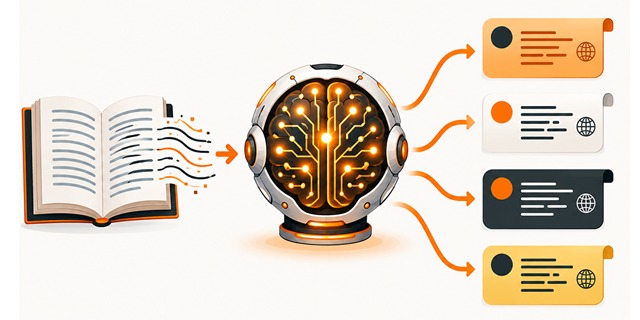
This paper aims to present an activity through which undergraduate students majoring in Spanish at a public Brazilian university translate the short story "Opus 8" (1986) by Venezuelan writer Armando José Sequera from Spanish to Portuguese, and afterwards analyze the translations of the same short story produced by five machine translation tools (Google Translate, DeepL, Reverso, Copilot, and ChatGPT). When compared to the source text, these translations present, in some instances, effective solutions, while in others, inconsistencies regarding both linguistic and semantic aspects. Based on this analysis and the subsequent comparisons among the different versions, it is possible to develop a contrastive interlanguage awareness, whereby the recognition and correction of errors caused by interference contribute to the learner’s critical reading skills as well as enhancing their intercultural competence. Furthermore, this process expands the reflective understanding of neural machine translation tools grounded in artificial intelligence, and its possibilities and limitations in the field of translation.
Downloads
Published
How to Cite
Issue
Section
License
Copyright (c) 2026 Luzia Antonelli Pivetta

This work is licensed under a Creative Commons Attribution-NonCommercial 4.0 International License.
Os autores conservam os direitos de autor pelo seu trabalho e concedem à revista o direito de primeira publicação, com o trabalho simultaneamente licenciado sob uma Licença Creative Commons - Atribuição-NãoComercial 4.0 Internacional.